
Quad Bike Safety on Stations
Quad bikes have been among the leading causes of death and serious injury on Australian farms for years. The uncomfortable part is that the incidents rarely involve a novice going too fast somewhere unfamiliar.
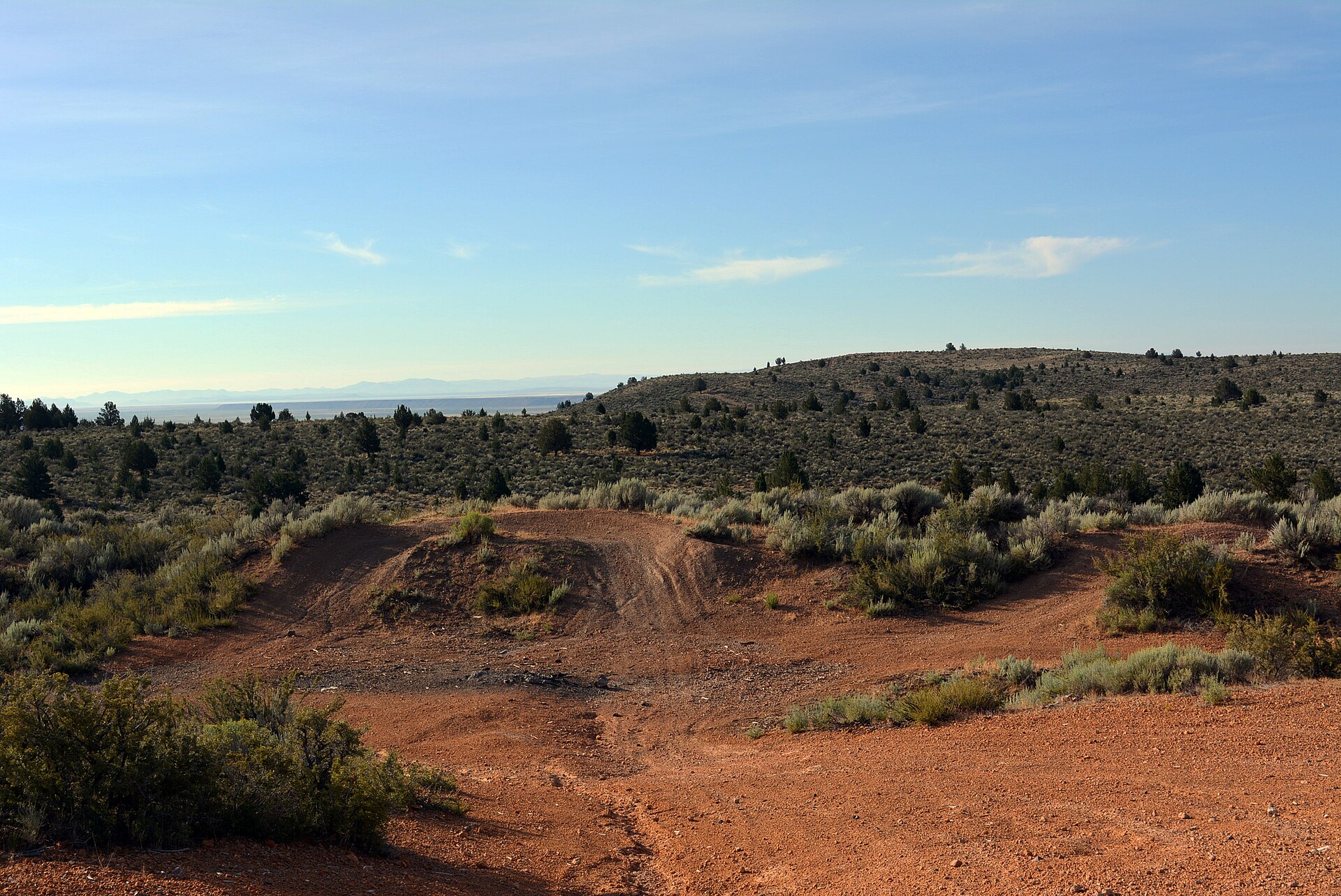
We sell a lot of quads and side by sides to stations, properties and contractors across the Kimberley. They are genuinely useful machines and we are not going to pretend otherwise. But this is the one product category where we push back on customers, and it is worth explaining why.
The pattern
The recurring picture in Australian quad incident data is not the one people expect. It is typically an experienced operator, on their own property, on ground they know, at low speed, on a machine they have used for years. Rollovers are heavily represented, and the crushing injury that follows a rollover is what causes many of the deaths — often because the operator was alone and could not be found quickly.
That pattern matters because most safety advice targets the wrong risk. Telling an experienced station hand to slow down does very little when the incident was already at walking pace on a side slope.
Why they roll
A quad bike has a high centre of gravity, a narrow track and no suspension articulation to speak of. It relies on the operator shifting their weight to stay stable — which is why they are described as active riding machines rather than something you sit on passively.
- Side slopes are the most common rollover situation, and the angle that feels safe is often steeper than the machine tolerates.
- Loads change everything. A spray tank, a bale hook or a passenger raises the centre of gravity and shifts it. The machine that was stable empty is not stable loaded.
- Towing alters the pivot point, especially downhill and especially braking.
- Obstacles hidden in grass — a stump, a washout, a wheel rut — provide the trigger. In the Kimberley add pindan washouts and cattle pads.
- Fatigue and heat degrade the constant weight shifting that keeps the machine upright.
What actually reduces the risk
| Control | What it does |
|---|---|
| Choose the right machine | A side by side with a rollover structure and seatbelts is a fundamentally different safety proposition to a quad. If the job allows it, this is the largest single improvement available. |
| Operator protection device | Fitted to quads to reduce the chance of a machine coming to rest on the operator. Required under the Australian quad bike safety standard for new general use quads. |
| Helmets, always | Head injury is a major contributor. A helmet is not optional because the trip is short or the paddock is close. |
| No passengers | Single seat quads are designed for one person. A passenger prevents the weight shifting the machine depends on. |
| No children on adult machines | Size and strength matter for active riding. This is one of the most consistent findings in the incident data. |
| Training | Formal training in weight shifting, slope assessment and load effects. Experience alone does not teach this. |
| Communication | A radio or satellite messenger, and somebody who knows where you went and when you are due back. |
| Maintenance | Tyre pressures in particular. Uneven pressures noticeably change handling on a quad. |
The regulatory position
Australia introduced a mandatory quad bike safety standard which phased in over 2020 and 2021. Broadly, it requires new quads sold here to carry rollover warning labels and meet stability testing requirements, and requires new general use quads to be fitted with an operator protection device.
Two practical consequences for properties. First, machines bought new since then should already have an OPD fitted — check that it is still on the machine and has not been removed. Second, older machines in your fleet almost certainly do not have one, and retrofitting is worth investigating.
Separately, work health and safety duties apply on any property where people are employed. If a quad is a work machine, it sits inside your safety obligations like any other plant. We are a dealership, not a regulator, so speak to WorkSafe or your industry body about how those duties apply to you specifically.
A practical fleet checklist
- Is a side by side a better fit than a quad for this task?
- Does every machine have an operator protection device, and is it still fitted?
- Are there enough helmets, and do they fit the people actually riding?
- Has everyone who rides had formal training, including seasonal staff?
- Is there a rule about passengers, and is it enforced?
- Are children kept off adult machines without exception?
- Does anyone riding alone carry communications, and does someone know the route?
- Are tyre pressures checked routinely rather than when something feels wrong?
- Are loads and towing within the machine's specification?
- Is the machine correctly described on your insurance policy?
Insurance
A quad used on a property is usually not covered by a road motorcycle policy. It generally belongs on a farm or business policy, and how it is described there matters — a machine listed as farm equipment and one listed as a recreational vehicle are not treated the same when a claim is made.
We can supply compliance plate details, engine numbers and specifications. What the machine should be listed as is a question for your insurer or broker, not for us. There is more general information on our insurance page.
Talk to the sales counter about machine selection and OPD fitment on (08) 9192 4470, or see the quads and side by sides we stock.