
Buying a Used Bike in a Remote Town
Two bikes, same model, same year, both showing 22,000 kilometres. One spent its life on Perth bitumen, the other on Kimberley gravel. They are not the same machine and they are not worth the same money.
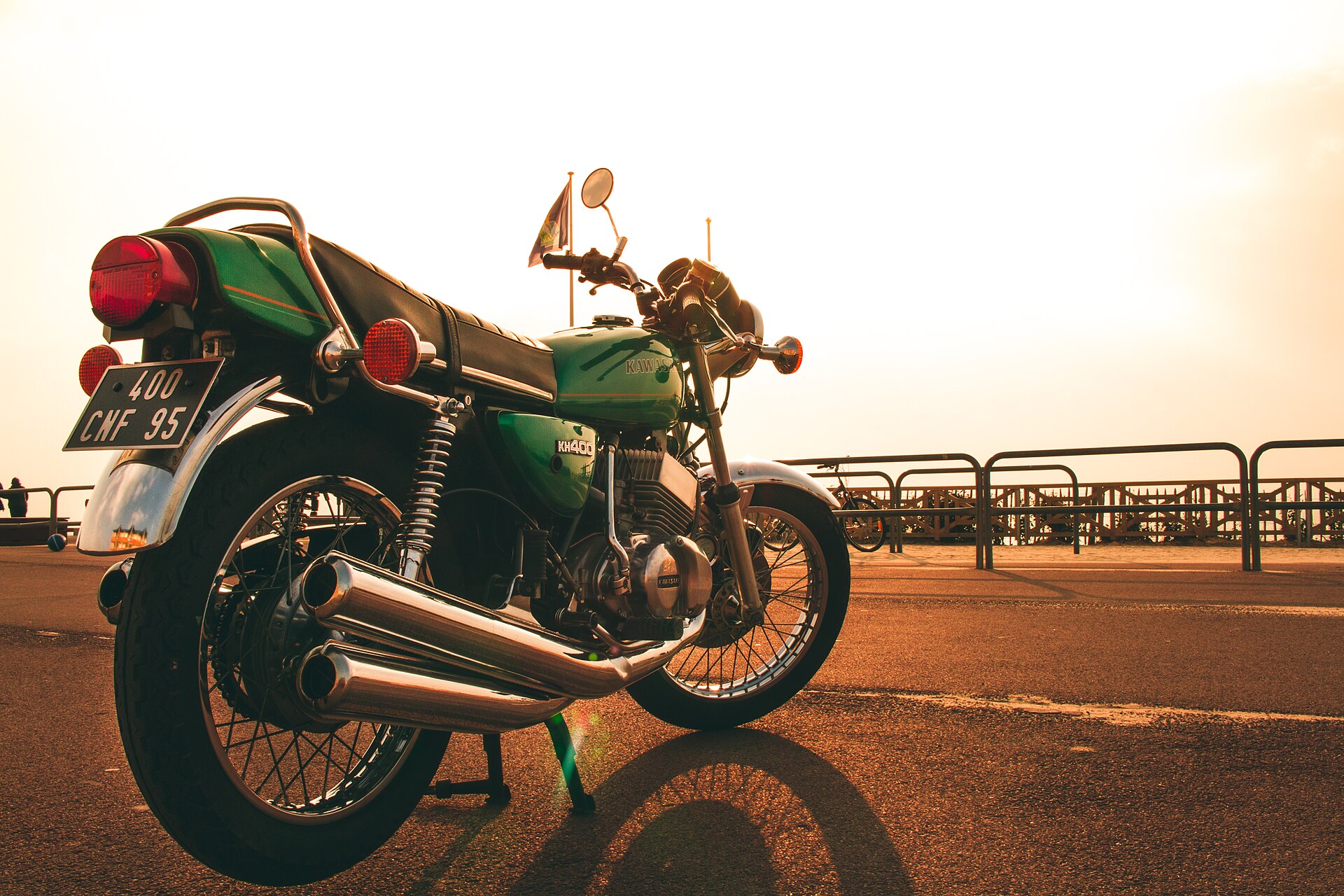
The odometer is the number everybody looks at first and it is close to the least useful figure on a bike up here. Kilometres on sealed road at constant speed are gentle. Kilometres on corrugations, through dust, in forty degree heat, followed by three months parked in a wet season, are not.
None of that means avoid used bikes. We sell them and we buy them. It means look at different things.
The six checks that matter
| Check | What you are looking for |
|---|---|
| Chain and sprockets | Hooked teeth, tight spots, adjusters near the end of travel. This is the clearest single indicator of how the bike was maintained, because it needs attention constantly here and nothing hides neglect faster. |
| Air filter and airbox | Take the seat off and look. A filter caked in red dust, or worse a clean filter in a dusty airbox, tells you dust has been through the engine. This wear does not show on an odometer and it is not repairable. |
| Corrosion | Fastener heads, exhaust joints, footpeg brackets, the underside of the frame, inside the fairing. Surface rust is normal here. Flaking, pitting or bolts rounding off when touched is not. |
| Fork seals and bearings | Oil on the fork legs, notchy steering, play at the wheels or swingarm. Corrugations destroy these faster than distance alone suggests. |
| Wiring and connectors | Green or white powder at connector blocks, brittle insulation, aftermarket wiring taped rather than soldered. Humidity plus vibration causes intermittent faults that are miserable to chase later. |
| Service history | A stamped log book, or receipts. In this region the absence of any record is a much bigger discount than it would be in a city. |
What is normal and what is not
Bikes here look worse than their southern equivalents and that is not automatically a problem. Knowing which is which saves you from either overpaying or walking away from a good machine.
Normal, and not worth much of a discount
- Faded plastics and stickers — UV does that in two seasons
- Light surface rust on exhaust and unpainted brackets
- Red dust in places you cannot reach
- Stone chips on the front of the engine and radiator guard
- A worn seat cover
Worth a real discount, or a walk away
- Water line inside the headlight, instruments or airbox — the bike has been through deep water
- Mud packed into the frame rails and swingarm, still there
- Rounded or seized fasteners throughout, which means every future job costs more
- Mismatched or missing bodywork suggesting an unrepaired crash
- Weeping fork seals combined with notchy steering — suspension and bearings both due
- No service history at all on a bike over three years old
- Fresh paint or polish on an otherwise tired machine, hiding something
Before you hand over money
- Check it is not encumbered. A PPSR search costs a couple of dollars and tells you whether there is finance owing on the machine. If there is, and you buy it privately, the financier can potentially repossess it from you. This is the cheapest insurance available in the entire transaction.
- Match the numbers. The VIN and engine number on the bike should match the paperwork and the registration. If they do not, stop.
- See the registration papers and confirm the seller's name matches.
- Ride it, cold. Ask the seller not to warm it up before you arrive. Cold starting behaviour tells you a great deal.
- Get it inspected. An hour of workshop time before purchase costs far less than a rebuild afterwards.
Buying from further away
People regularly buy from Perth or Darwin and freight the bike up. That can work well, and it widens the choice considerably. Two things to plan for.
First, you cannot inspect it yourself, so pay somebody to do it. A pre-purchase inspection from a workshop in the seller's town is money well spent and is normal practice.
Second, freight from Perth to Broome is not trivial and takes days, longer in the wet. Factor the cost and the time into the price comparison. A bike that is two thousand dollars cheaper in Perth is often not two thousand dollars cheaper by the time it is in your shed.
What we do differently
When we take a bike in trade we inspect it properly and value it on what the inspection found, not on the odometer. When we sell it, we describe the condition in writing including the faults.
That sometimes means our used bikes look expensive next to a private sale. What you are paying for is that somebody who repairs these machines for a living has already looked at it, and that if something is wrong you have recourse. Whether that is worth the difference is your call, and we will not pretend the difference does not exist.
We can carry out pre-purchase inspections on bikes you are considering buying privately. Workshop (08) 9192 4471, or read about choosing a first bike.