
Choosing a First Bike in the Kimberley
Most first bike advice is written for cities. It assumes sealed roads, short trips, a dealer down the street and a mate with a trailer. Change those four assumptions and the recommendation changes with them.
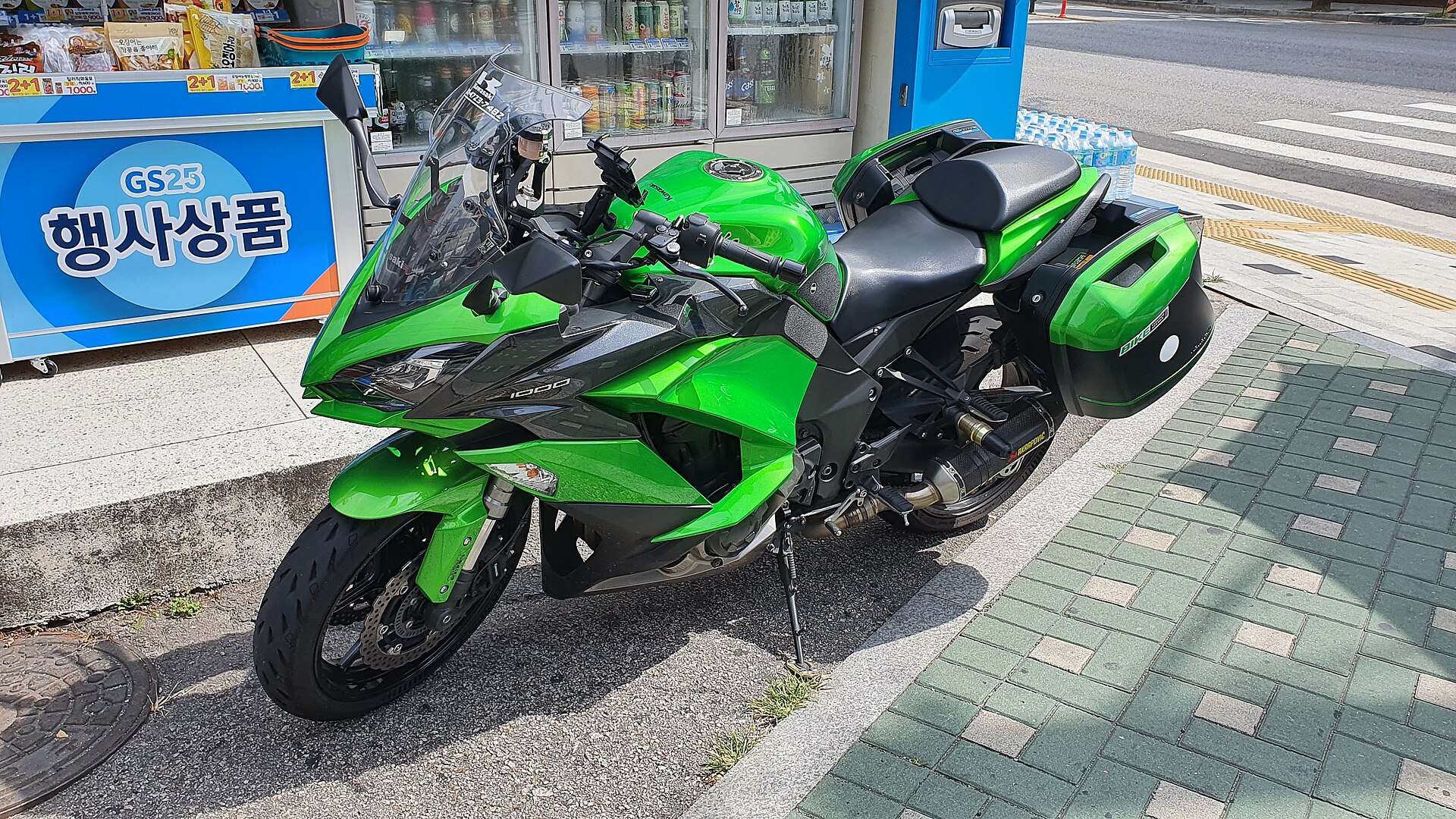
We have this conversation at the counter several times a month, usually with somebody who has already read a great deal online and arrived with a specific model in mind. Sometimes they are right. Often the model is one that would be excellent in Perth and awkward here, and the reasons are not obvious until you have ridden through a wet season and a few hundred kilometres of gravel.
Four questions
Before talking about models at all, these are worth answering honestly — including the parts you might be slightly embarrassed about.
- Where will you actually ride, not where do you imagine riding? Nearly everybody says they want to do the Gibb River Road. Most people ride to work, to the shops, and to the beach. Both are fine answers. They lead to completely different bikes.
- How far from town do you live? Forty kilometres up a gravel track is a different problem to a house in Cable Beach. It changes tyre choice, suspension requirements and how much protection the bike needs underneath it.
- Can you pick it up? Not lift it like a weight, but get it upright off its side on loose surface, alone, at thirty-eight degrees. Everybody drops a bike eventually. Out here you are frequently the only person available to deal with it.
- What is your real budget, including the things that are not the bike? Gear, registration, insurance and the first service are not optional. A budget that covers only the machine is a budget that is about fifteen percent short.
What the Kimberley changes
| Factor | Why it matters here | What it pushes you towards |
|---|---|---|
| Distance between towns | The nearest alternative workshop is hours away. A breakdown is a logistics problem, not an inconvenience. | Simple, common models with parts held locally |
| Unsealed roads | Even sealed routes have gravel shoulders you will need to use for road trains. | Upright riding position, some suspension travel, dual purpose tyres |
| Heat | Full protective gear at thirty-eight degrees is genuinely difficult. | Bikes that manage heat well in traffic, and ventilated gear you will actually wear |
| The wet | Three months where riding is limited and corrosion is constant. | Something you will not resent servicing, and somewhere dry to keep it |
| Weight and recovery | Dropping a heavy bike alone on soft ground is a serious problem. | Lighter than you would buy in a city |
| Resale market | A small pool of buyers. Unusual machines are hard to sell locally. | Mainstream models with a known reputation |
The three answers we give most
If you will only ever ride in town
A scooter is a perfectly rational choice and nobody should feel odd about it. Broome is flat, compact and hot. A 125 or 150 will do everything you need, costs very little to run, and is easy to park. What it will not do is highway speed, and we will tell you that plainly rather than sell you one for a commute that includes open road.
If you will ride out of town on sealed roads
A mid-capacity road bike, learner approved if you are on a restricted licence. Look for wind protection, a comfortable seat and the ability to carry something. Six hundred kilometres to Port Hedland is a genuinely long day, and a bike with no fairing and a hard seat turns that from a pleasure into an endurance event.
If there is any gravel in your answer at all
A dual sport. This is the category we sell most of to people who ride beyond the town boundary, and for good reason — it handles the sealed run to Derby, the station track, and the trip to the shops equally competently. Not brilliantly at any one of them, but competently at all three, which is the correct trade for a first bike here.
Mistakes we watch people make
- Buying for the trip they have not booked. The big adventure bike bought for a Gibb River trip that does not happen for three years, and is miserable to ride to work in the meantime.
- Buying too heavy. Confidence on a bike you cannot pick up is fragile. Confidence on one you can is durable.
- Buying an orphan. A model nobody else in the region rides means no local parts, no local knowledge and a difficult resale.
- Skimping on gear to afford more bike. The gear is the part that protects you. It is also the part you keep when you change bikes.
- Ignoring where it will live. A bike stored outside through a Kimberley wet will look ten years older than its odometer suggests.
New or used
Both are reasonable. New gets you a warranty and a known history, which matters more here than in a city because a used bike from this region has usually worked hard. Used gets you more machine for the money and takes the sting out of the first drop, which will happen.
If you go used, read our notes on buying a used bike in a remote town first. The odometer tells you considerably less up here than it does elsewhere.
Come in and talk it through — tell us what the riding honestly looks like and we will give you a straight recommendation. Sales counter (08) 9192 4470, or see the range.