
Why We Sponsor the Local Motocross Club
People occasionally thank us for supporting the club as though it were generosity. It is not, particularly. It is one of the more sensible things a motorcycle business in a town this size can do with its money.
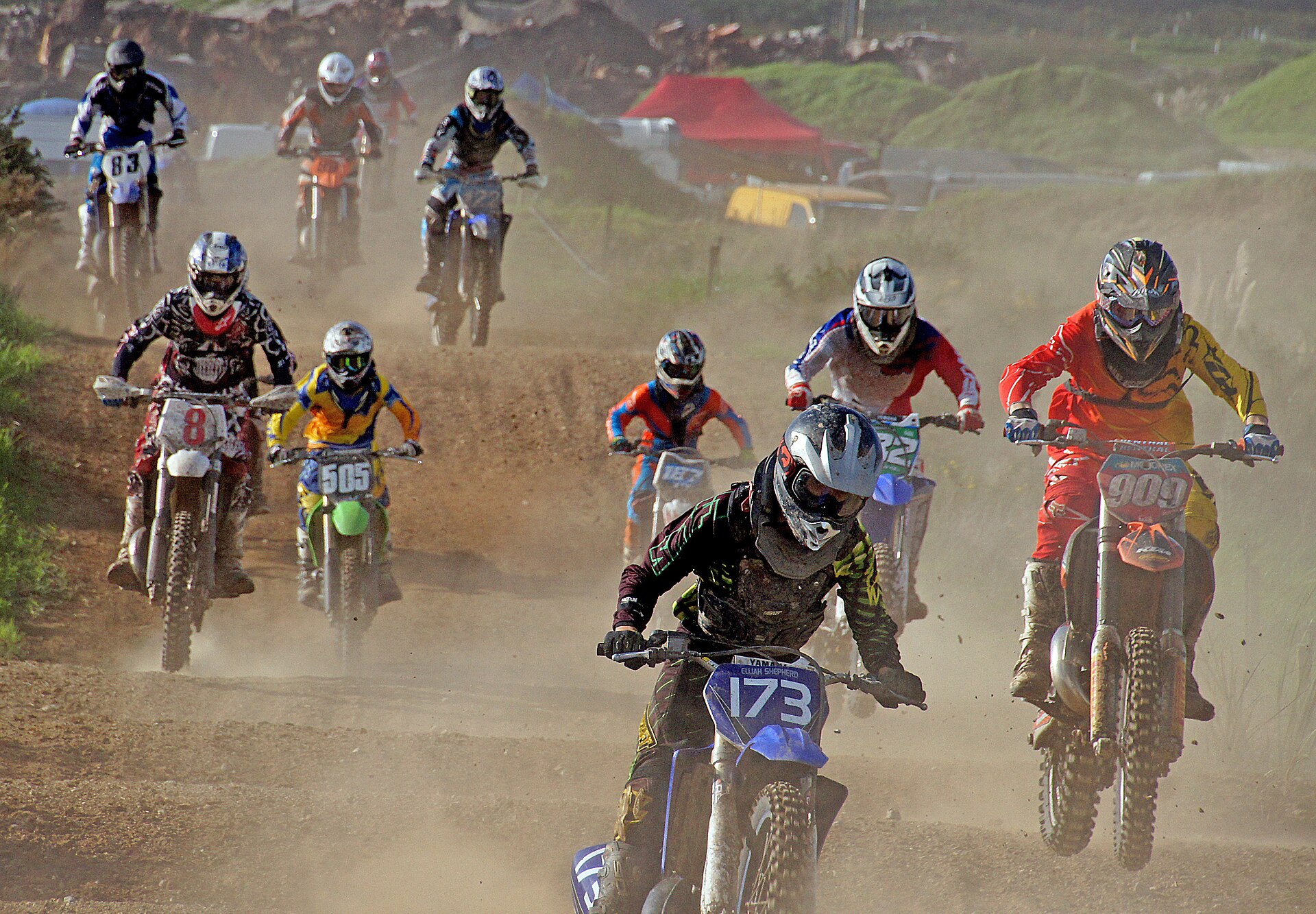
The slow problem
A motorcycle shop needs a town with riders in it. That sounds obvious enough to be useless, but the timescale is what makes it interesting.
Almost every adult rider we sell to started young. Somebody put them on something small in a paddock, or took them to a club day, and it stuck. Twenty years later they are buying a road bike, or a quad for their property, or a first bike for their own kid.
Now imagine a town where that stops happening. Nothing changes for a decade. Then the customer base quietly ages out, and the business that depended on it discovers the problem far too late to do anything about it. In a regional town with fifteen thousand people and no surrounding market to fall back on, that is a genuine commercial risk, not a sentimental one.
What actually stops kids riding
It is rarely lack of interest. It is friction, and the friction is largely logistical.
- The bike stops working. A junior machine that cannot be repaired locally sits in a shed. Two seasons later it is sold.
- Parts take a fortnight. A kid misses three club days waiting for a part and their friends have moved on to something else.
- Gear is expensive and grows out of date fast. A helmet that fitted last season does not this season.
- Nobody can look at it on a Saturday. Club days are weekends. Workshops are not.
- The club runs out of volunteers and stops holding events at all.
None of those are about enthusiasm. They are about whether the practical support exists. Which is convenient, because practical support is exactly what a dealership has to offer.
What we contribute
| What | Why it is the useful thing |
|---|---|
| Parts held for junior machines | Small capacity parts are low margin and slow moving. We stock them anyway, because a junior bike that cannot be fixed stops being ridden. |
| Being available around club days | A rider with a problem on Friday afternoon needs it fixed before Sunday, not the following Thursday. |
| Gear at cost for juniors | Helmets and boots outgrown in a season are a real barrier for families with several kids riding. |
| Financial sponsorship | Insurance, track maintenance and equipment are what actually stop a small club, and none of it is glamorous. |
| Technical help at events | Somebody who knows what they are looking at, in the pits, when a bike will not start. |
What we get back
We may as well be straight about this rather than pretending it is purely altruistic.
- Customers, eventually. Slowly, over years, and not traceably. We could not tell you which sales came from it.
- Quality control we cannot buy. A machine we sold turning up broken at a club day, in front of forty people who all know each other, is an extremely direct form of feedback.
- Knowing what actually breaks. Watching a season of hard use on the models we sell teaches us more about failure points than any manufacturer bulletin.
- Standing in the town. In a place this size, reputation is the whole marketing budget. It cannot be bought and it can be lost quickly.
The part that is not commercial
Having conceded all that, there is a bit that does not reduce to business reasoning.
Broome is a long way from most things. A club that runs regularly gives families somewhere to be on a weekend, gives teenagers something demanding to be good at, and gives a group of unrelated people a reason to stand around in the dust together and take an interest in each other's kids. That has value in a remote town that has nothing to do with our margins.
We would rather live in a town that has that than one that does not. Supporting it costs us less than the alternative would.
If you are thinking about starting
Come in and talk to us before you buy anything. The most common mistake is a machine that is too big, bought because it will "last longer" — a kid on a bike they cannot manage will be frightened, and frightened riders quit.
Buy the safety gear at the same time and get it fitted properly. And find the club before you find the bike: they will tell you what actually gets ridden locally, what the classes require, and whether the thing you are looking at online is a sensible idea.
Talk to the sales counter on (08) 9192 4470, or read more about the business.