
Tyre Choice for Gravel and Bitumen
Tyre boxes carry ratios — 90/10, 50/50, 20/80. They are marketing shorthand, not measurements, and they are not comparable between manufacturers. Working out what you need takes a different question.
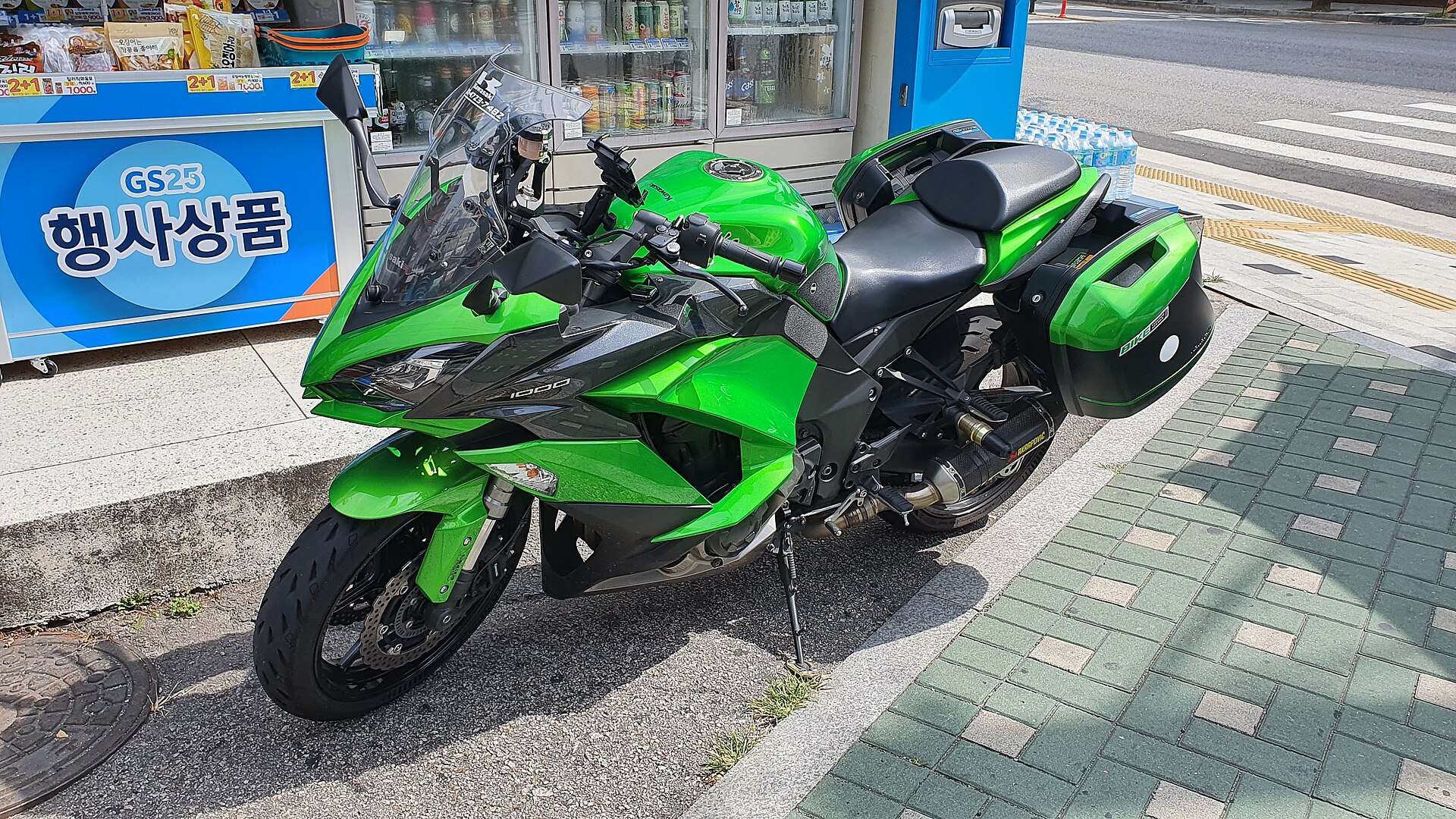
Tyres are the only thing connecting the bike to the ground, and in this region riders often spend more time thinking about which exhaust to fit than which tyre to run. That is backwards.
Ask a better question
Instead of "what percentage off road do I do", ask two things:
- Of the kilometres you actually ride in a year, how many are unsealed? Be honest and count. Most people who describe themselves as adventure riders are riding ninety percent bitumen.
- Which surface is the one where getting it wrong hurts most? A tyre that is slightly slower on gravel is an inconvenience. A tyre that is poor on wet bitumen at highway speed is a different category of problem.
The second question is the one people skip, and it is usually the one that should decide the answer.
The compromise, honestly stated
| Type | Good at | Poor at | Suits |
|---|---|---|---|
| Road | Wet and dry bitumen grip, long life, quiet | Anything loose; genuinely unsafe in sand | Town riders and sealed highway only |
| Road-biased dual sport | Confident on bitumen, adequate on formed gravel | Mud, sand, deep loose surfaces | Most Kimberley riders, most of the time |
| Balanced dual sport | Genuinely capable both ways | Wears faster, noisier, less wet bitumen grip | Regular station track and back road use |
| Off road biased | Loose surfaces, sand, mud | Wet bitumen, tyre life, braking distance on seal | Riders who are mostly off road |
| Knobby | Dirt, and nothing else | All sealed road use, especially wet | Competition and paddock machines |
Pressure changes more than tread pattern
The tread pattern gets all the attention. Pressure does more of the work, and it is free to change.
- Start from the placard. The figure on the bike's tyre placard or in the owner's manual, set cold, is the reference point. Not the number on the tyre sidewall, which is a maximum, not a recommendation.
- Lower pressure on loose surfaces increases the contact patch and improves grip and comfort noticeably. It also increases the risk of pinching a tube on a rock and makes the tyre run hotter.
- Never run lowered pressures back onto the highway. This is the mistake we see most: a rider drops pressure for a gravel section, then does 200 kilometres of bitumen at highway speed without putting it back. The tyre overheats and can fail.
- Heat matters here. Kimberley road surfaces get very hot. Pressures rise substantially with temperature, which is why you set them cold.
- Carry a gauge and a pump. A small compressor is one of the more useful things to have on a bike out here.
Tubes, and the sidewall question
Spoked wheels generally run tubes, cast wheels generally run tubeless. Either way, two points are worth knowing before a long unsealed trip.
Heavy duty tubes cost a little more and resist pinch punctures considerably better. On corrugations and rocky formed roads, they are worth it.
Sidewall construction matters as much as tread on rough ground. A tyre with a stiffer carcass resists the sharp rock cuts that cause most punctures out here, and a nominally more aggressive tread with a thin sidewall can be the worse choice on a rocky track.
When a tyre is finished
- Wear indicators. The small raised bars in the tread grooves. When the tread is level with them, the tyre is legally and practically done.
- Squaring off. Long highway distances flatten the centre. A squared tyre steers badly and the transition into a corner becomes vague.
- Cracking. Fine cracks in the tread grooves or sidewall mean the rubber has perished. In this climate a tyre can perish well before it wears out, particularly on a bike that sits through the wet.
- Age. Check the four digit date code on the sidewall — week and year of manufacture. A tyre more than about five years old should be assessed regardless of tread depth.
- Cuts and plugs. A repaired tyre is a get-home measure. Replace it rather than starting a long trip on it.
Buying tyres up here
We hold the common sizes in road, dual sport, motocross and ATV patterns, and we fit, balance and dispose of the old ones in house. If we do not have your size, it comes from Perth by road, which is several days.
The practical advice: do not wait until the tyre is finished to order it, and do not plan a long trip on tyres you know are marginal. Order before the wet if you will need them during it.
Parts counter (08) 9192 4470 for stock and fitting, or read about chain care on corrugated roads.